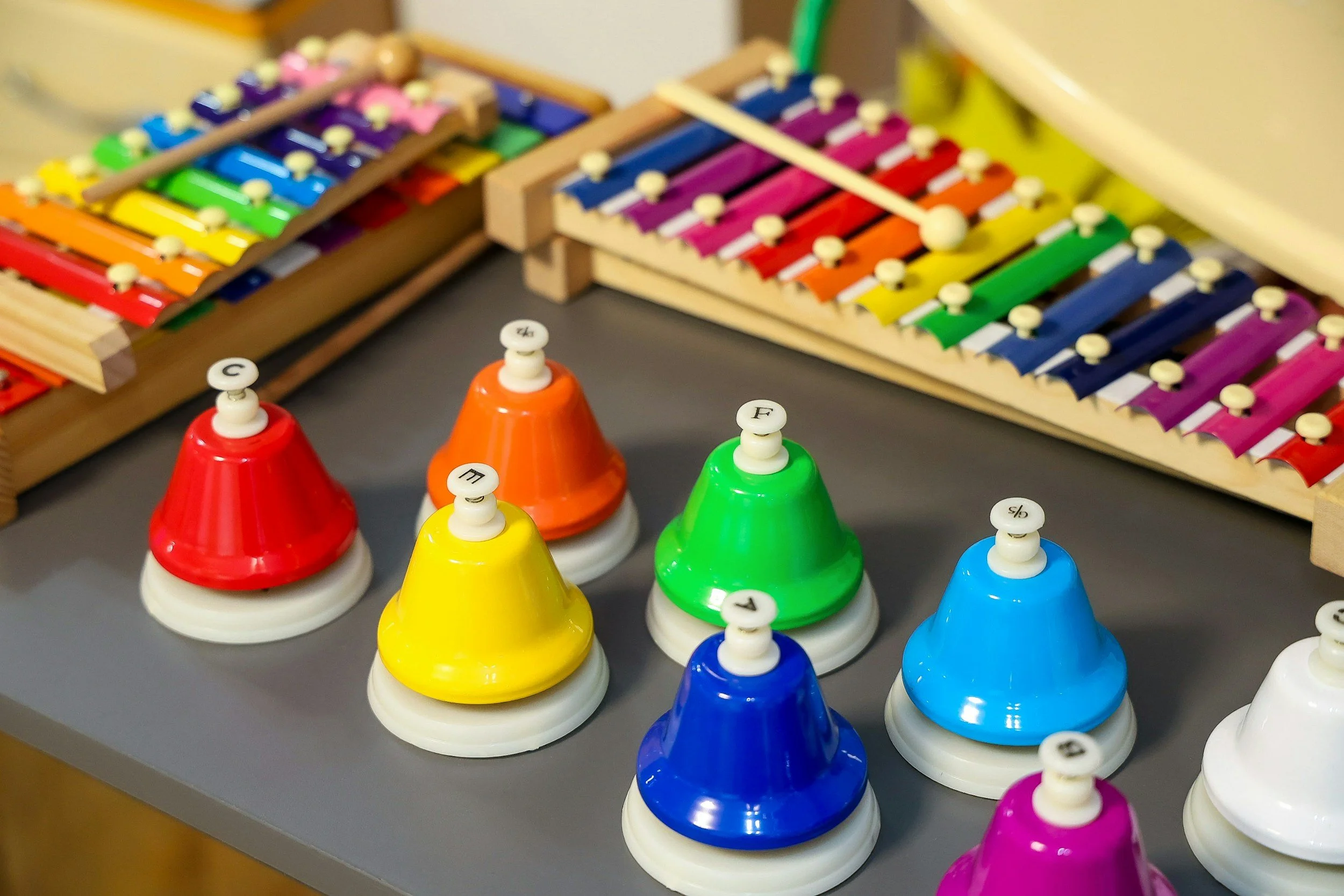
Music therapy is a kind of psychotherapy that uses music to support people of all ages, backgrounds, and abilities, to achieve their psychological, emotional, cognitive, physical, communicative, and social goals. In the UK music therapy is delivered by certified music therapists registered with the Health and Care Professions Council (HCPC) and is an allied health profession.
Music can have a tremendous effect on our mood, can help us connect with memories and feelings, and help us express ourselves and communicate with others.
What is Music Therapy?
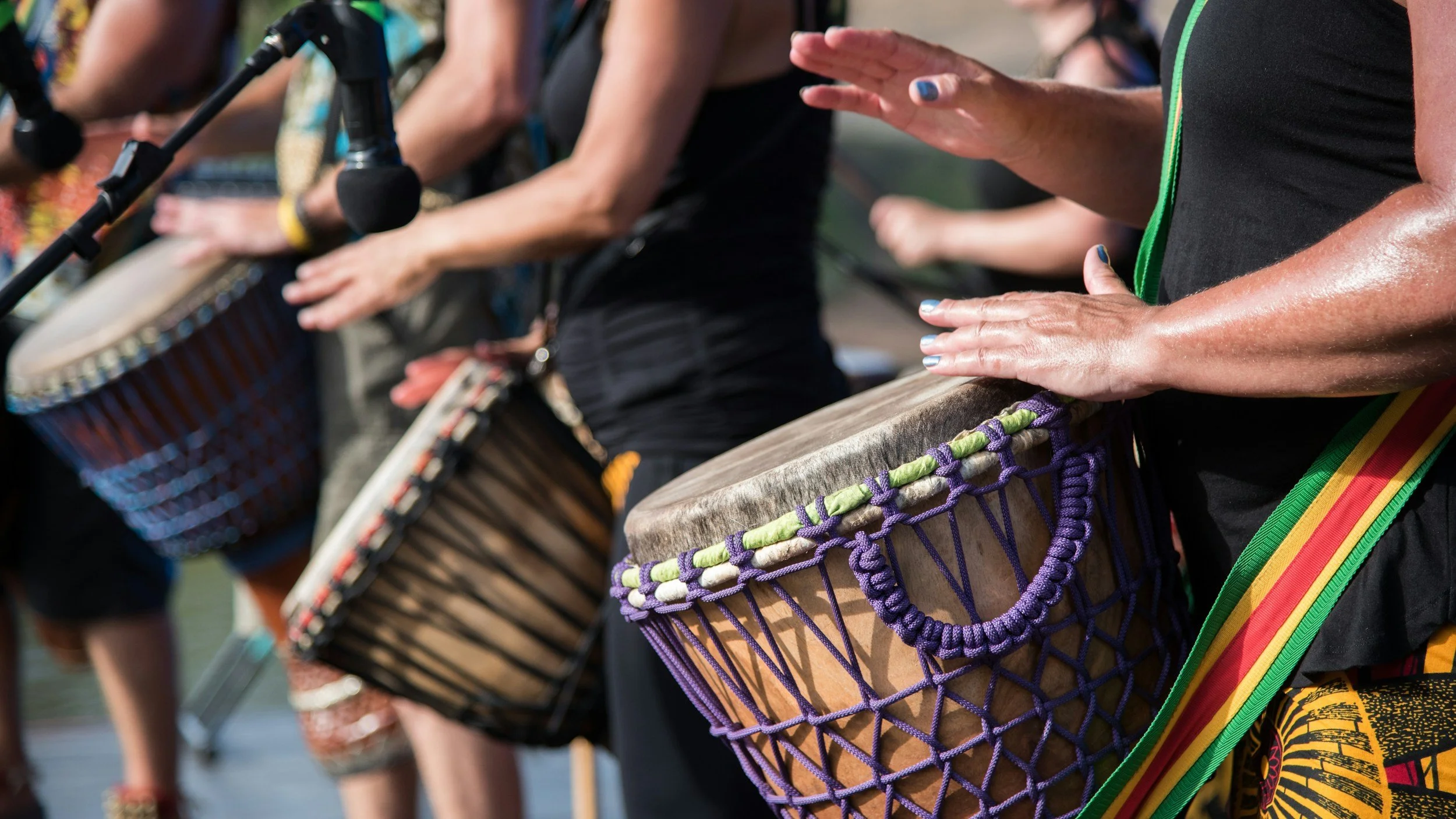
What happens during therapy?
During music therapy sessions the client and therapist will work on creating a trusting therapeutic relationship with empathy and safety at its core. They might play musical instruments, sing, or songwrite, or the client may choose to just listen to music. They can talk, if that feels right.
Music therapy is person-centered, so tailored to individual needs and interests. It is also client-led which means that the client would decide about their therapeutic goals/outcomes with the support of the therapist.
Music therapy sessions can be offered to a group or individuals.
By participating in music therapy, one may experience joy, relaxation, or connection. It may help clients to build confidence and self-expression, and experience agency through music-making, as it can feel empowering to make musical choices.
Like in any therapy, it can stir up difficult emotions. If this happens, it will be up to the client to decide whether they want to work through any feelings and thoughts in a confidential, safe space.
More information about music therapy can be found on the British Association for Music Therapy (BAMT) website at www.bamt.org.