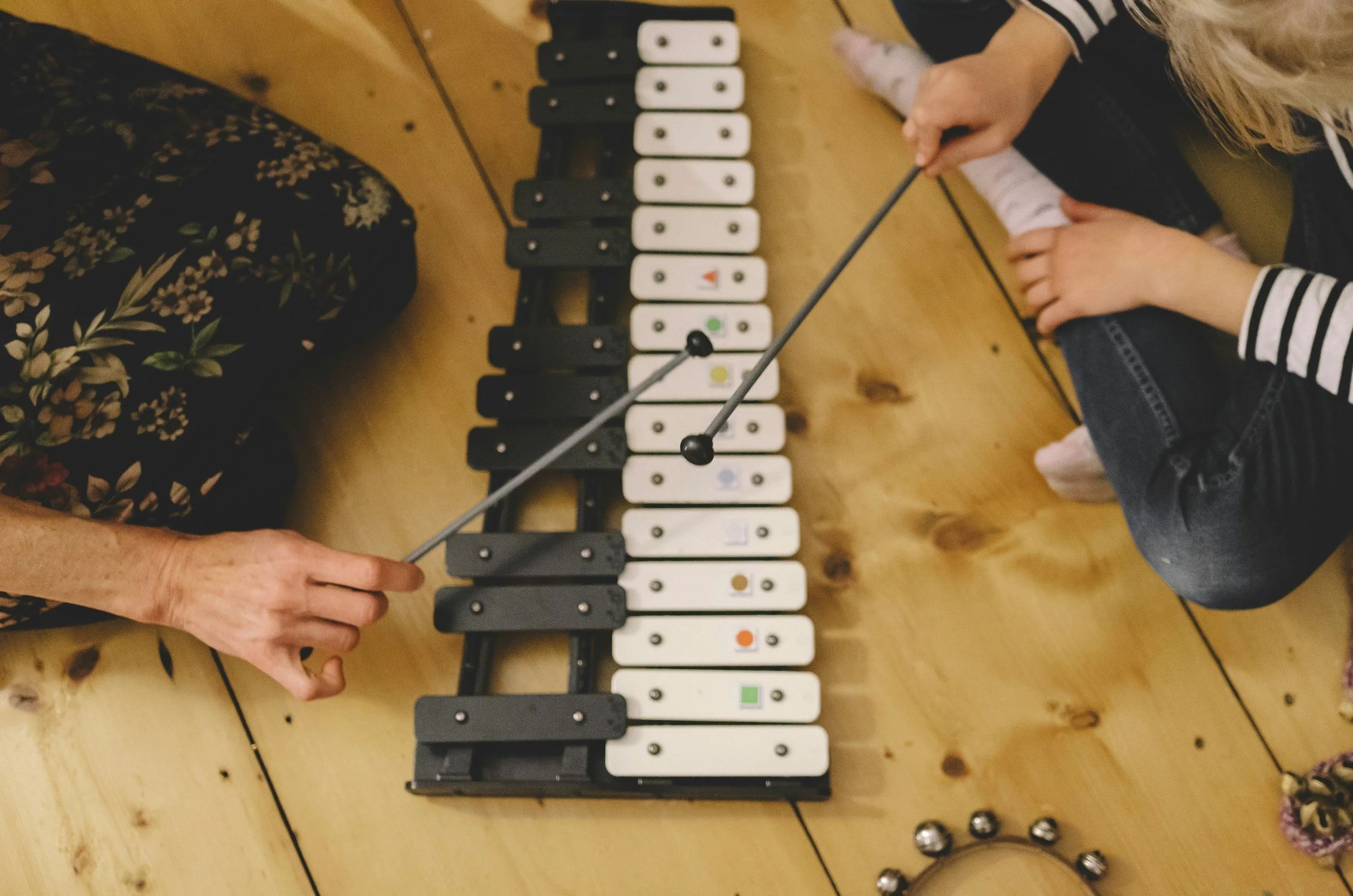
Every adult brings their own experiences, preferences, strengths and needs to music therapy. Therapy sessions are tailored to the individual, with the therapeutic goals agreed according to clients’ individual circumstances and what aims they would like to prioritise for themselves. Music therapy may be offered as a standalone intervention or as part of a wider multidisciplinary approach to rehabilitation, health, and well-being.
Music therapy is about more than simply listening to or playing music: it can benefit adults with a wide range of needs, including those living with neurological conditions, mental health difficulties (psychosis and non-psychosis pathways), physical disabilities, trauma, bereavement, communication challenges, or the effects of injury or illness.
Older adults - Dementia
For individuals with dementia, music can evoke memories, help to communicate emotions, and encourage interaction, even when verbal communication and other cognitive abilities have declined; musical abilities and responses to familiar songs may remain accessible for many individuals.
One of the main benefits of music therapy is its potential to reduce distress. Listening to familiar and personally meaningful music may promote relaxation, comfort, and feelings of happiness. It can also help reduce anxiety, agitation, and restlessness. Music therapy may also help reduce feelings of loneliness and isolation.
Music therapy can support memory stimulation and cognitive engagement: singing along to well-known songs can encourage participation and stimulate attention and language. Although music therapy does not cure dementia or reverse its progression, it may provide opportunities for individuals to engage with preserved abilities and maintain a sense of identity. Reminiscence through music can also encourage conversations between individuals, family members and caregivers, helping to strengthen relationships and preserve personal connections.
For some adults living with dementia, music therapy may also support physical well-being and engagement in everyday activities. Activities involving rhythm, clapping, dancing or gentle movement can encourage physical participation and coordination, adapted to each person's abilities and mobility. Music can also be incorporated into daily routines, such as mealtimes and personal care to create a more familiar and reassuring environment: for example, a caregiver might use a favourite song during a routine that causes anxiety, helping to make the experience more comfortable.