Children and young people
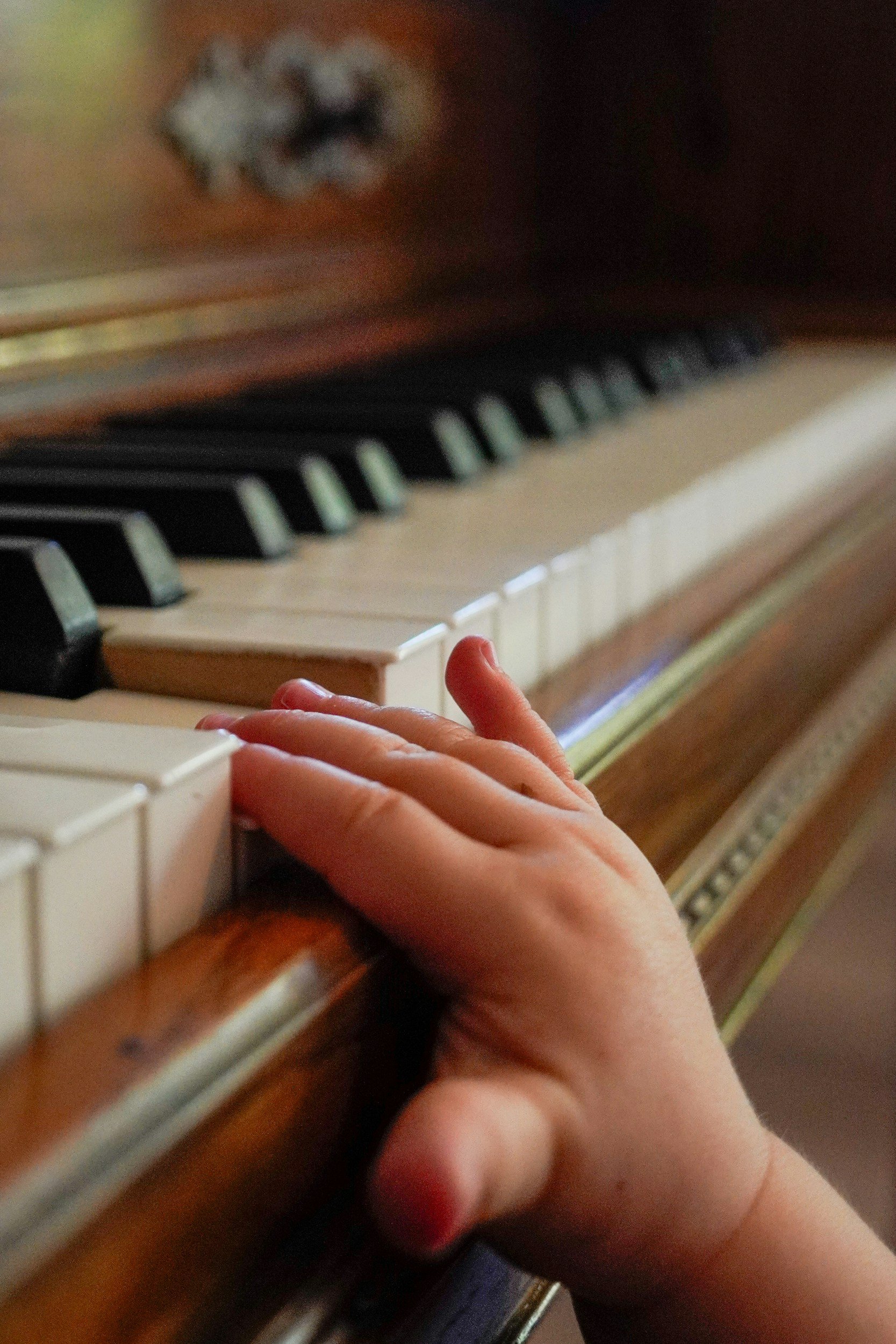
Music therapy can support children of all ages and abilities.
Through improvisational music-making, songwriting, and a variety of musical games and activities children and adolescents can build their self-confidence and self-esteem, feel empowered, develop skills, and improve how they relate with others. The therapeutic relationship is at the centre of how positive change happens.
Music therapy can support children and young people’s emotional wellbeing: music in the context of therapy can provide a powerful outlet for feelings that may be difficult to express through words. Music therapy can help children and young people recognise and communicate their emotions, develop coping strategies, manage big feelings such as excitement, anxiety, or frustration, and develop self-regulation and emotional resilience.
Music therapy can help children to develop their communication and social skills: music-making can encourage interaction, listening, turn-taking, and collaboration. Through shared musical experiences children and young people can develop their communication skills, strengthen relationships, and experience a sense of belonging. This can be particularly valuable for young individuals who find verbal communication or social interaction challenging.
Music therapy can support children with their cognitive and physical development: music-based activities can engage attention, memory, concentration, and problem-solving skills. Depending on the individual needs and therapeutic goals of your child, music therapy can also support movement, coordination, timing and motor skills through rhythm, instrument-playing, and movement to music.
Music offers opportunities for self-expression and creativity: through music, children and young people can explore their interests, develop their imagination, and communicate in ways that feel natural to them.
Finally, engaging in music therapy can promote connection and inclusion: music can bring people together, helping children and young people feel heard, valued, and understood. Sessions can be adapted to suit different abilities, communication styles, sensory preferences and individual needs, creating opportunities for meaningful participation and shared enjoyment.
Alexandra has experience working with children and young people with behavioural and mental health difficulties including anxiety, depression, and eating disorders, attachment issues, adopted children and their families, learning disabilities, neurodevelopmental disorders including autism and ADHD, and complex medical presentations.